
The Clinical Translation from Bench to Bedside
Bringing new and innovative therapeutics to patients is a fundamental purpose of translational science. This “bench-to-beside” process is centered around harnessing knowledge gained by basic research on the bench and reducing it to, eventually, a therapeutic practice bedside. Early drug developers constantly walk a balance between getting the science right and driving the business to bring about new therapeutics while maintaining shrinking budgets and timelines. Overall, the chances of commercial success are daunting. New and innovative therapeutics face a hostile environment and only about 0.1% of all preclinical programs will achieve market approval.
The early bridge point in the translational process from basic science research to approximately Phase 2 has the highest number of failures. Ominously named the “valley of death,” candidates fail in this stage for a multitude of reasons including clinical efficacy or safety, funding, and lack of reproducibility. Clinical demise can also occur through snowballing CMC-related delays incurred while trying to get approval from the regulatory agencies to commence clinical testing. Fortunately, this preclinical failure to launch, though common, can be partially or fully mitigated with a little patience, careful planning, and leveraging the right expertise.
Key Considerations for Early Phase Success
Given the odds and chances of commercial success, what are some of the vital pointers that can help early drug developers successfully navigate manufacturing and the valley of death?
- Earlier is Better to Seek Regulatory Advice
External regulatory expertise, either through using consultants or recruitment of an on-staff expert, should be brought in as early as possible to help navigate the complex and sometimes ambiguous global regulations and submission requirements. - GMPs are as Essential as ABCs
Every stage of the manufacturing process has regulatory implications. Incorporating GMPs in terms of documentation and critical raw material quality standards earlier in the developmental process can help avoid bottlenecks down the line. Suppliers of critical raw materials should be extensively checked for the use of robust policies and systems to ensure continuous supply. Secondary suppliers should also be vetted and qualified to build in internal supply chain redundancy.
- Know Your Product and Your Process
Key operating parameters and analytical methods should be established early and can evolve to fit biologics regulatory affairs requirements as the product progresses. Product characterization during preclinical phases is vital as key attributes that are directly linked to the drug’s efficacy and potency are defined. More importantly, these key attributes and how they are affected during the manufacturing process can be characterized and optimized. - Develop a Regulatory Playbook
Knowing the regulatory filing requirements in the major target geographies can influence the order of engagement and streamline the regulatory documentation process overall. Given the shifting international climate, working with a US based entity can better facilitate a green light to proceed with the FDA. Filing with the EMA, though somewhat like the FDA, consists of multiple bodies but all with similar standards. Planning to launch in the Asian market may require your vendors to supply their own data directly to the relevant body. Knowing what order to file and when based on the differing requirements of the applications can significantly reduce workloads and potential regulatory-caused delays.
Partnering with Cytovance Can Simplify Your Journey
Smaller biotechs and startups focused on weathering the journey through the proverbial valley of death are already facing stacked odds with limited resources. Working with a validated biologics CDMO staffed with experts is a crucial aspect to ensure the progression to the next phase of development.
Cytovance Biologics is a leading microbial CDMO and an expert manufacturer of mammalian biologics with over 20 years of experience and a quality first culture. Though Cytovance has supported several different commercial phase products totaling more than 350 programs in clinical phase evaluation, we can support the entire product life cycle from early phase R&D to regulatory approval. To specifically support our early phase clients, we offer several key advantages to help facilitate the translational process, such as pre-IND meetings and CMC section preparation.
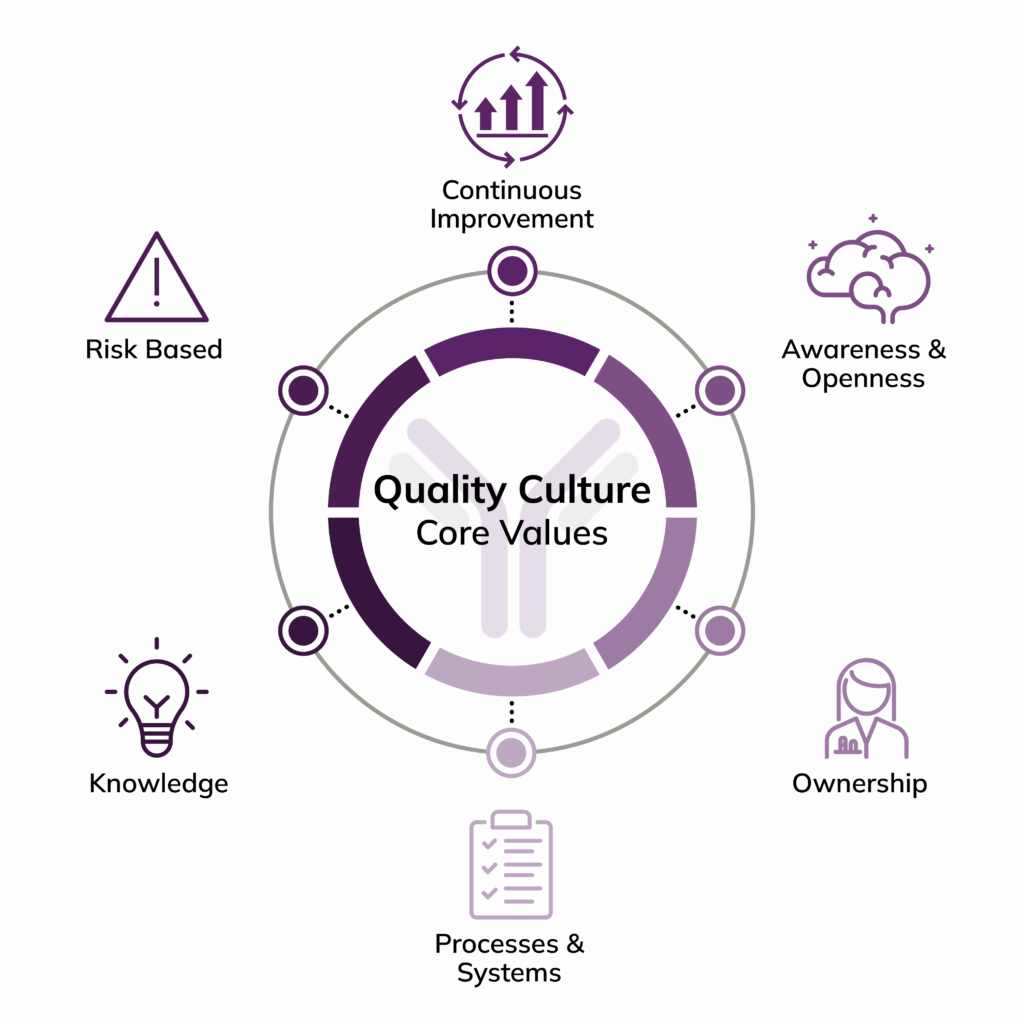
At Cytovance, we emphasize quality by following well-developed systems that are compliant with domestic and international regulations. Our established quality systems provide planned and systematic activities needed to fulfill quality requirements and facilitate continuous improvement, such as manufacturing process validation, biologics stability testing, and a full suite of biologics analytical services. We pursue phase-appropriate testing strategies to ensure procedural and operational excellence while maintaining regulatory and budget compliance.
Our systems also ensure traceability and compliance of materials and products from receipt through final disposition and storage for sponsor products maturing through the clinical stages and into commercial supply.
Conclusion
Getting a new biologic from bench to bedside is no easy task and chances of commercialization success are low. For new drug developers though, there are ways to successfully navigate the valley of death and partnering with an experienced CDMO can help ensure the progression of the therapeutic to the next phase on the path to regulatory approval. Ultimately, partnering with Cytovance gives early phase developers access to critical expertise that minimizes risks, reduces timelines, and lowers costs that together can facilitate the realization of your therapeutic’s true potential.
References
Woolf, S. H. The Meaning of Translational Research and Why It Matters. http://www.ahrq.
Seyhan, A. A. Lost in translation: the valley of death across preclinical and clinical divide – identification of problems and overcoming obstacles. Transl Med Commun 4, (2019).
Waring, M. J. et al. An analysis of the attrition of drug candidates from four major pharmaceutical companies. Nature Reviews Drug Discovery vol. 14 475–486 Preprint at https://doi.org/10.1038/nrd4609 (2015).
Loannidis, J. P. A. Why Most Clinical Research Is Not Useful. PLoS Med 13, (2016).